SquatKit 3000
Carlos Ricoy and Philipp Khan
Mixed media, installation and video
Variable measures
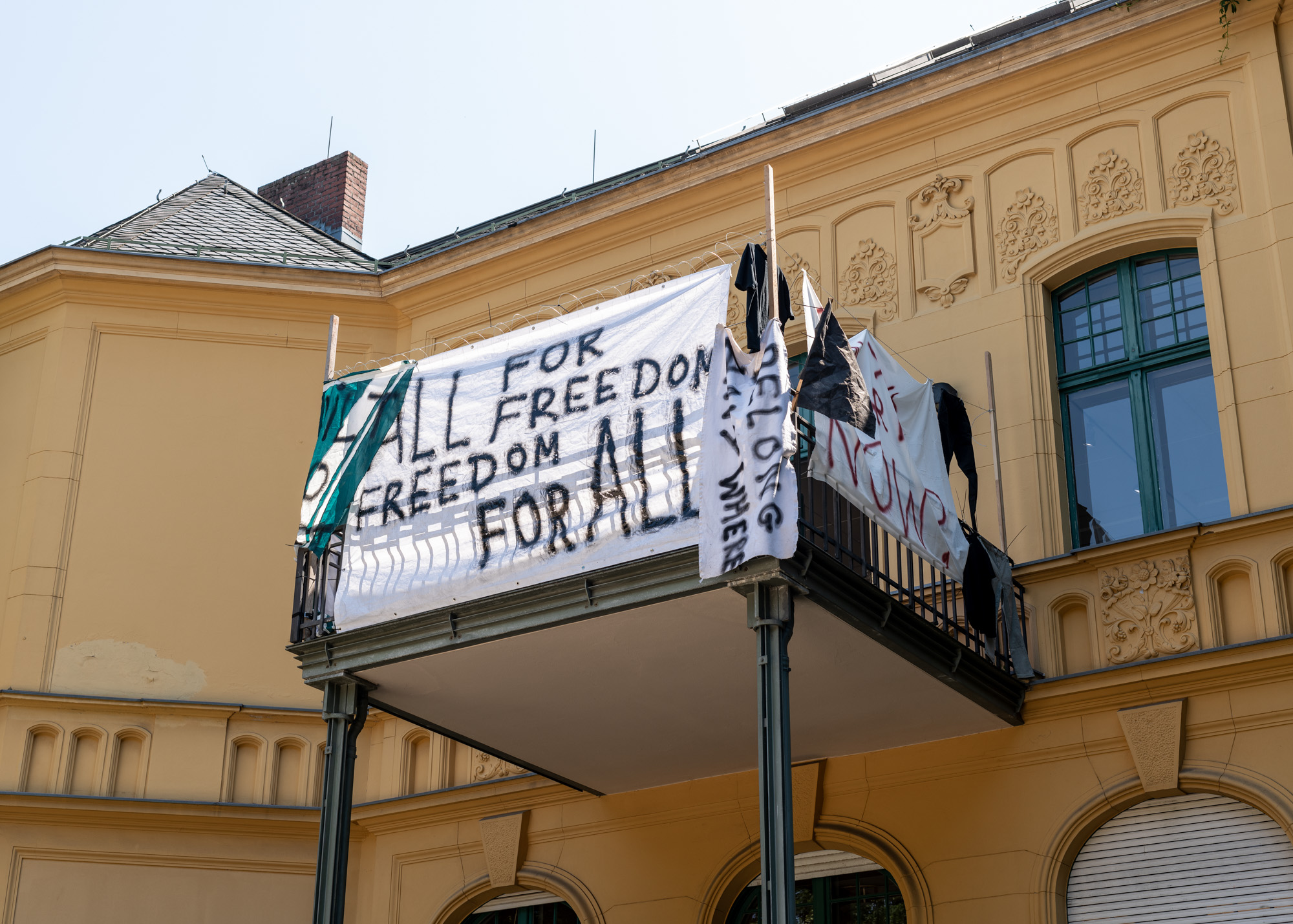
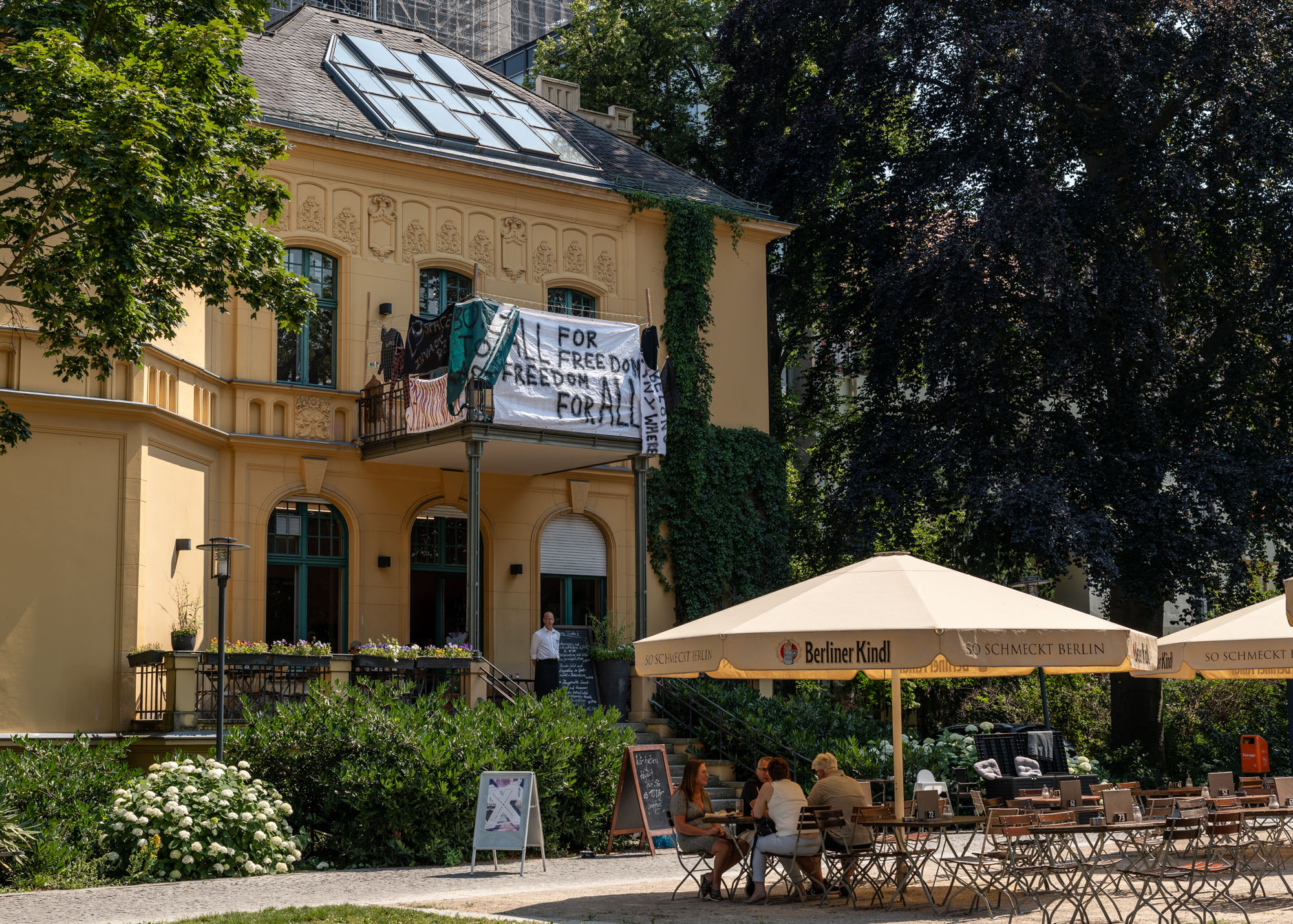
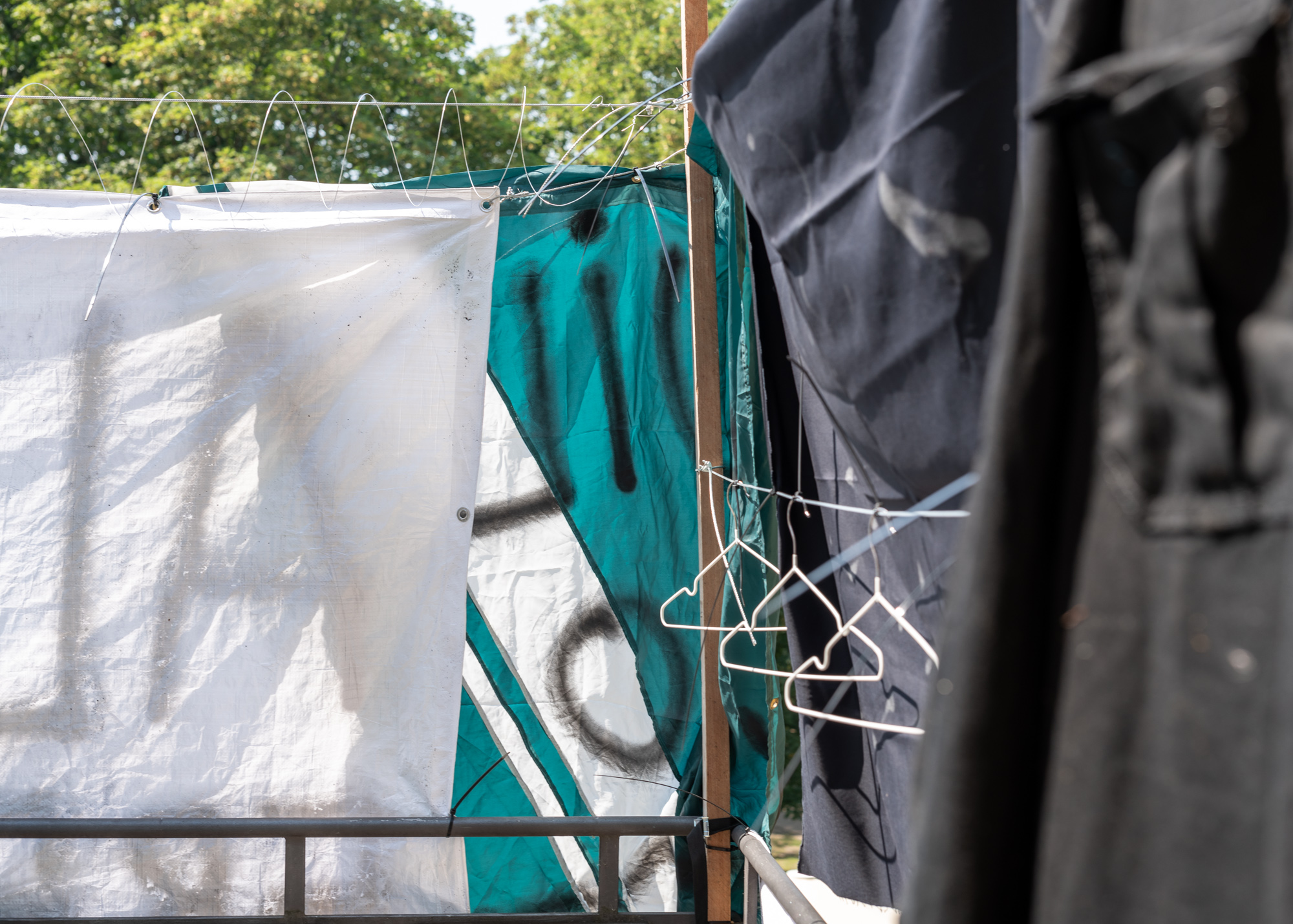
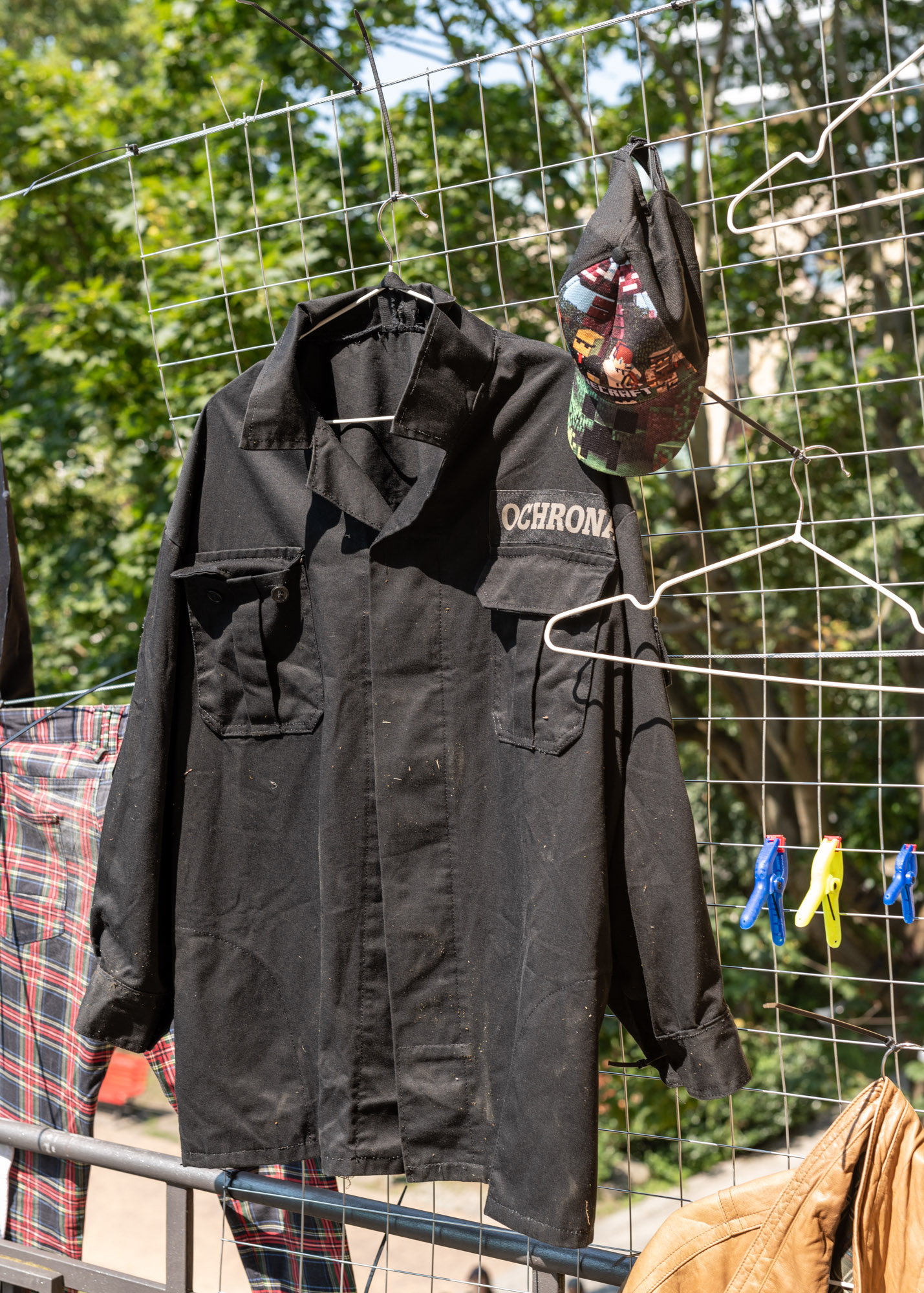 Squatkit 3000 on view at Kulturhaus Schwartzsche Villa Berlin, photogragrphies by Jeremy Knowles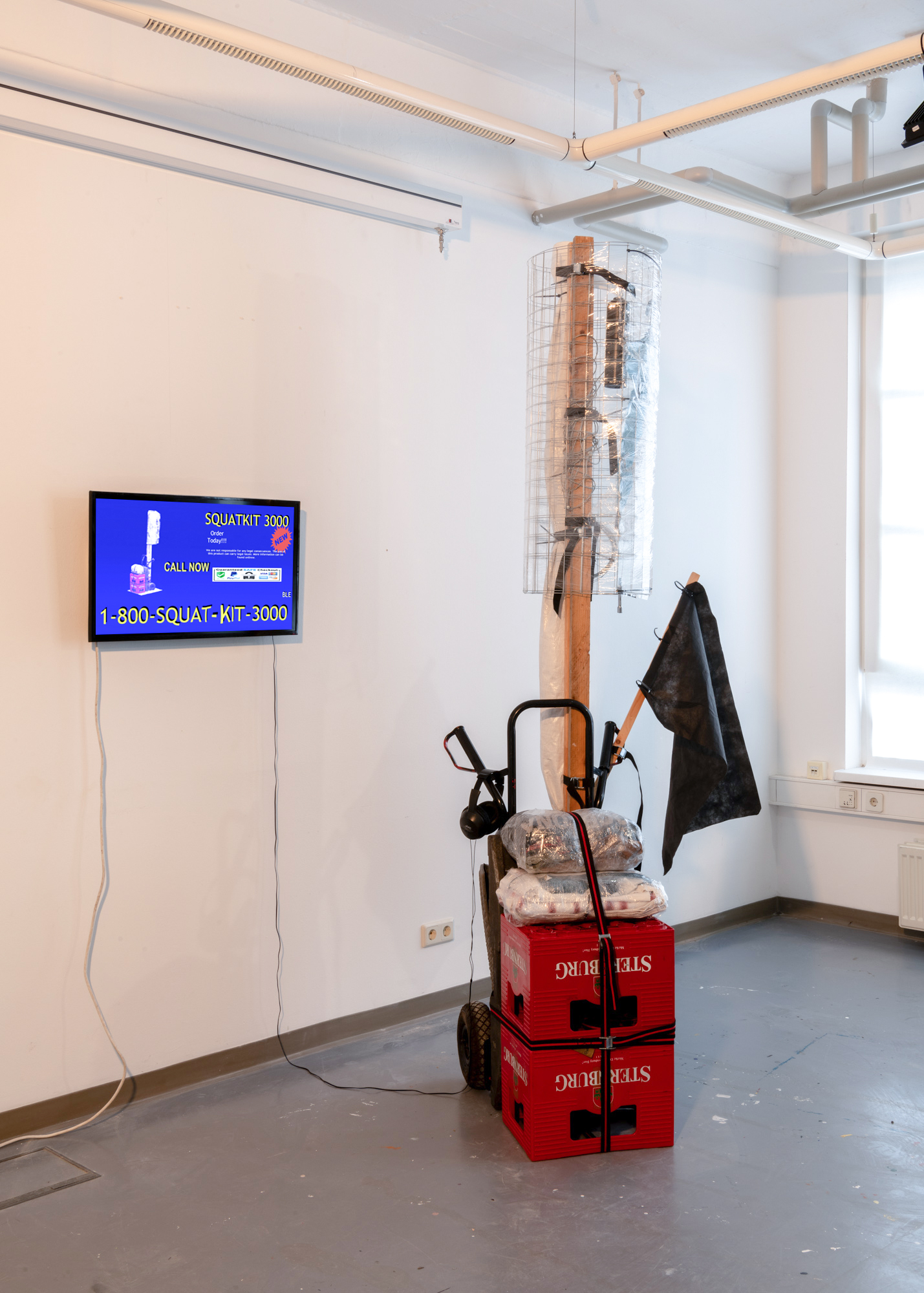
The installation deals with the capitalistic mechanisms that are set in motion by the act of squatting. Exploring the ways in which spaces are claimed in Western society, it borrows the aesthetics from a squat, an ultimate symbol of an anti-authoritarian movement, that starts off as a means of survival and then gets absorbed by the power dynamics of modern capitalism, inevitably taking its place in the violent cycle of gentrification. SQUATKIT 3000 is presented as the ultimate package for claiming spaces, within this context the kit can be used and displayed everywhere.
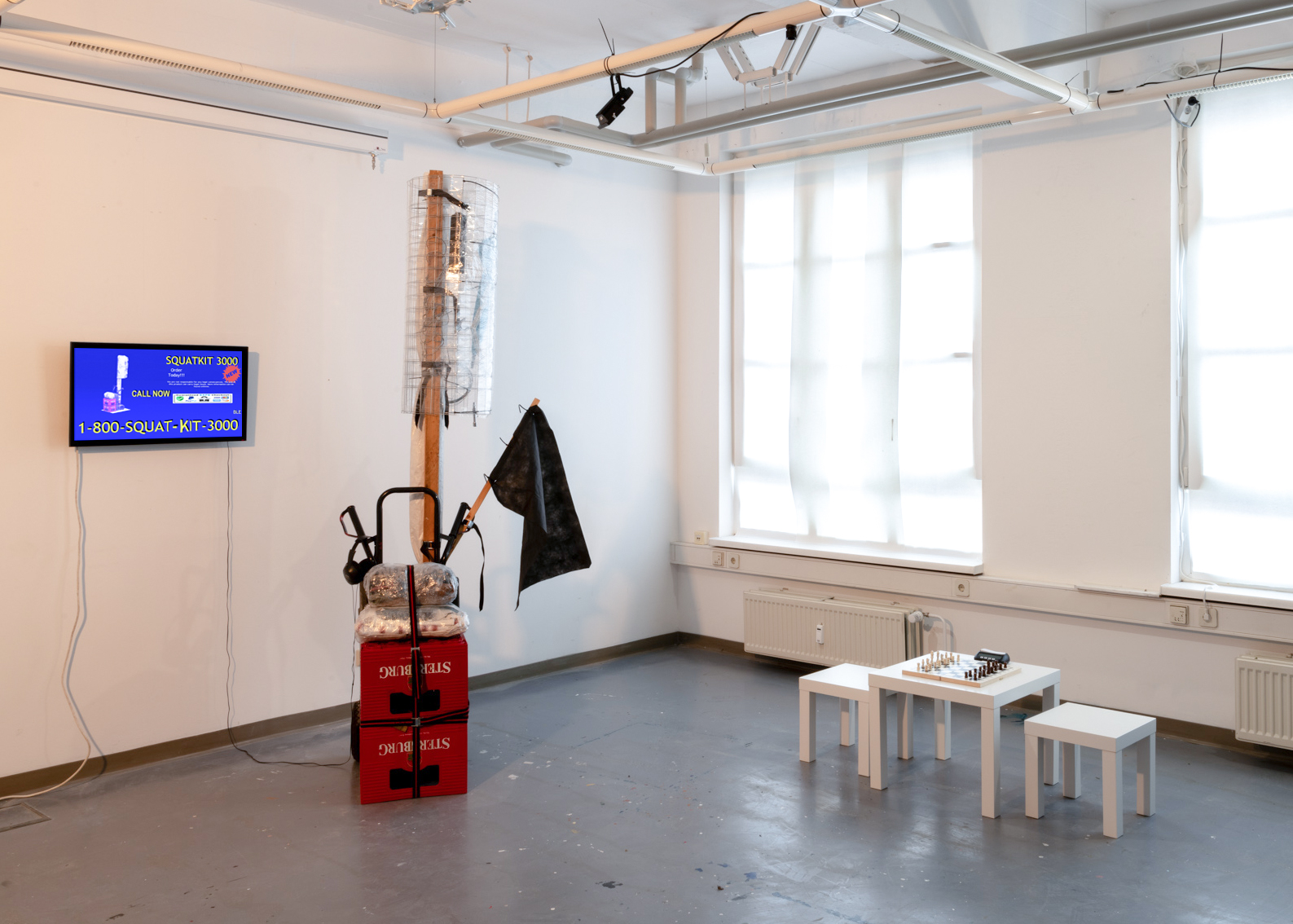 View of Squatkit 3000 and Take a Sit on Rundgang, Weissensee Kunsthochschule Berlin
Photo by Jeremy Knowles
View of Squatkit 3000 and Take a Sit on Rundgang, Weissensee Kunsthochschule Berlin
Photo by Jeremy Knowles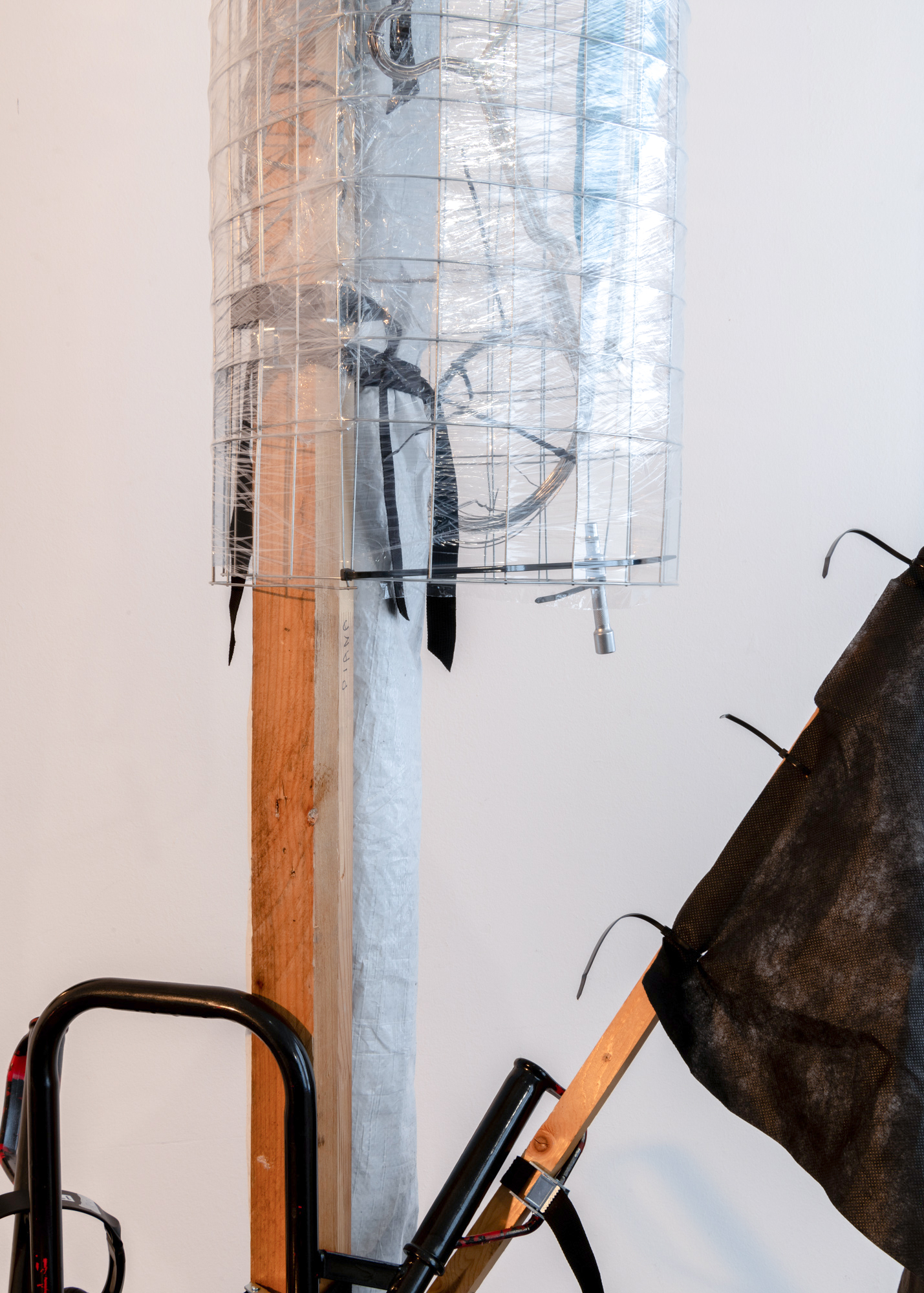
Detail view of Squatkit 3000 on Rundgang, Weissensee Kunsthochschule Berlin Photo by Jeremy Knowles
S.O.S
Dry branches on grass
Variable measures
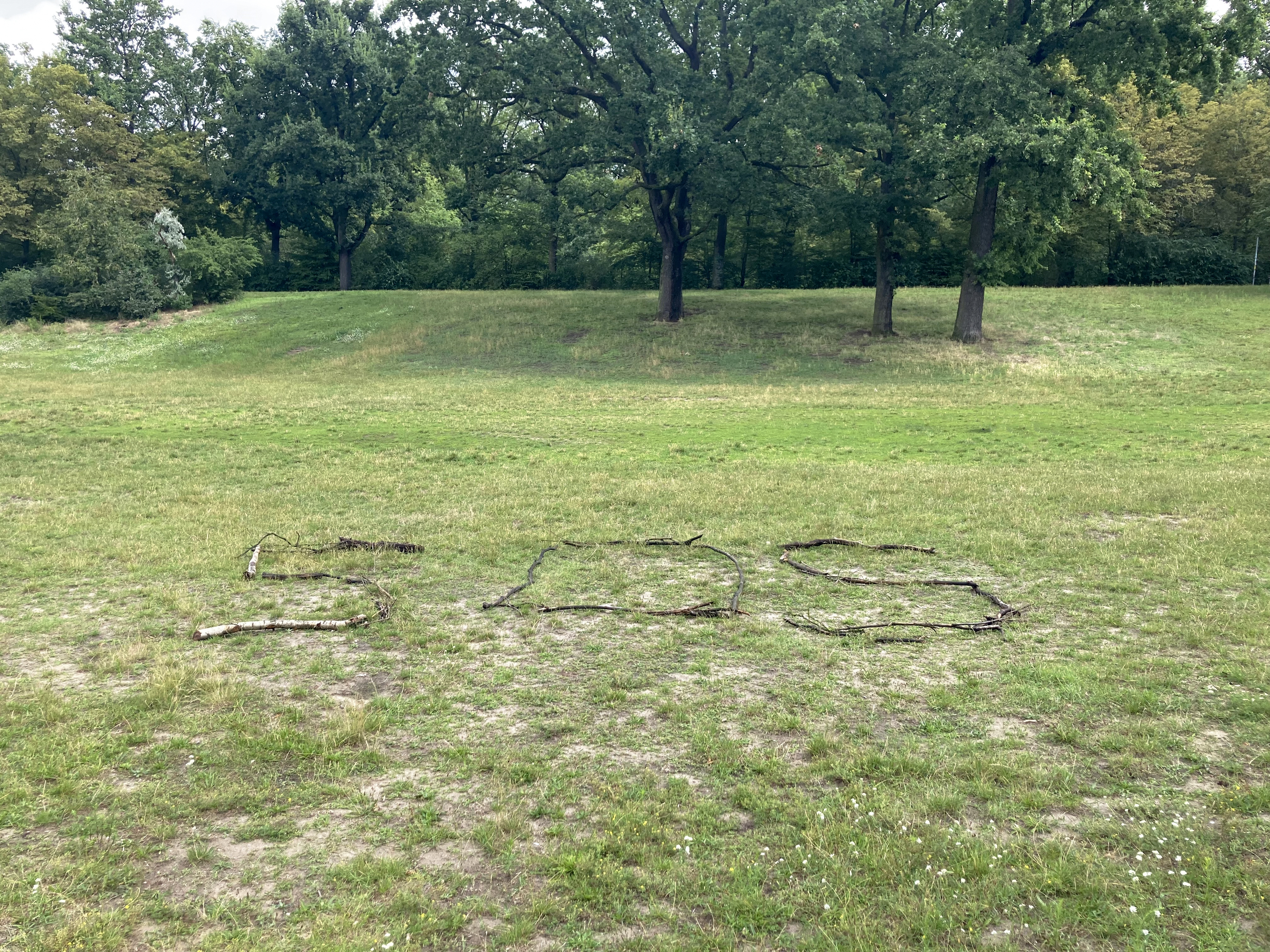
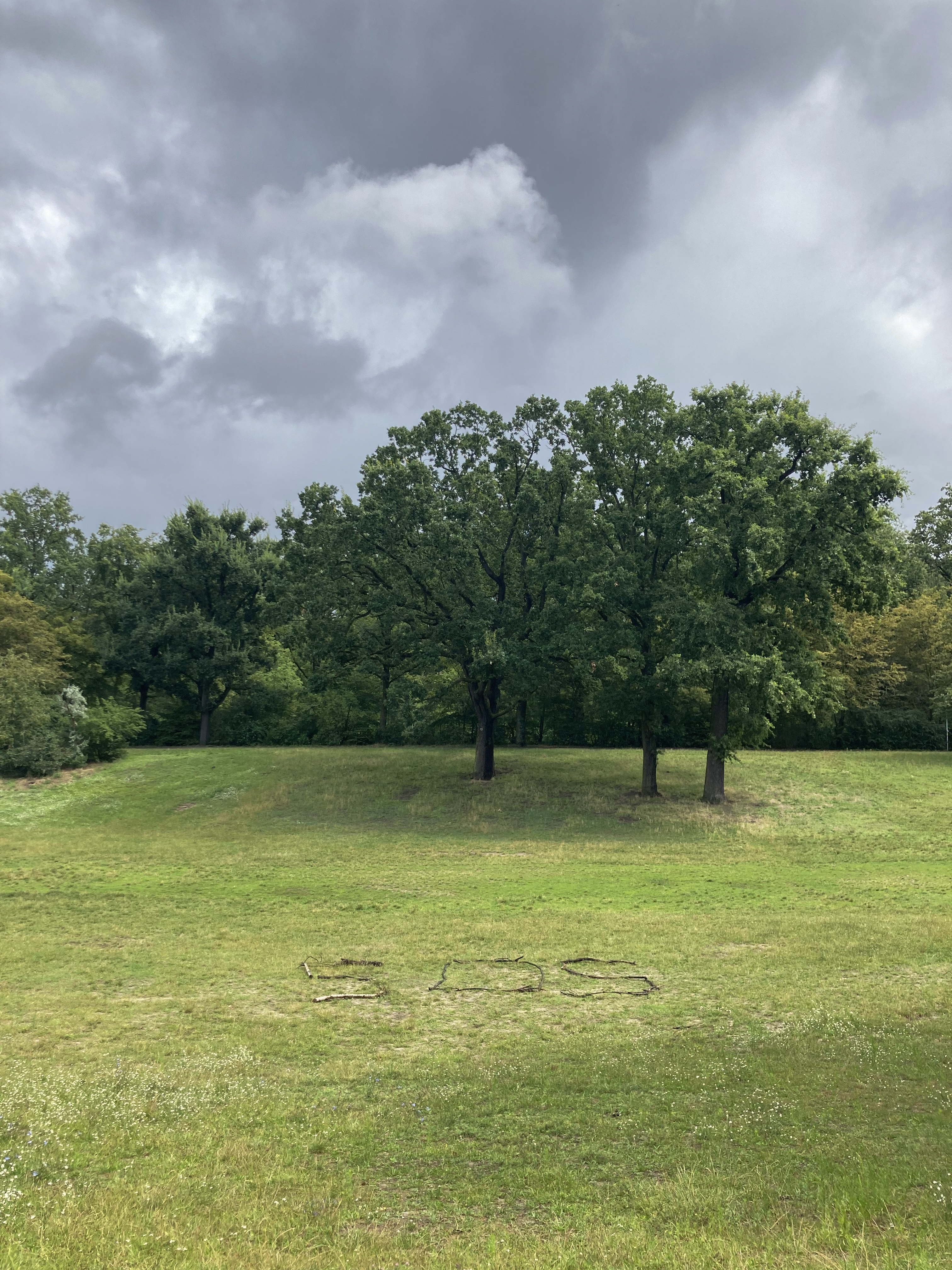
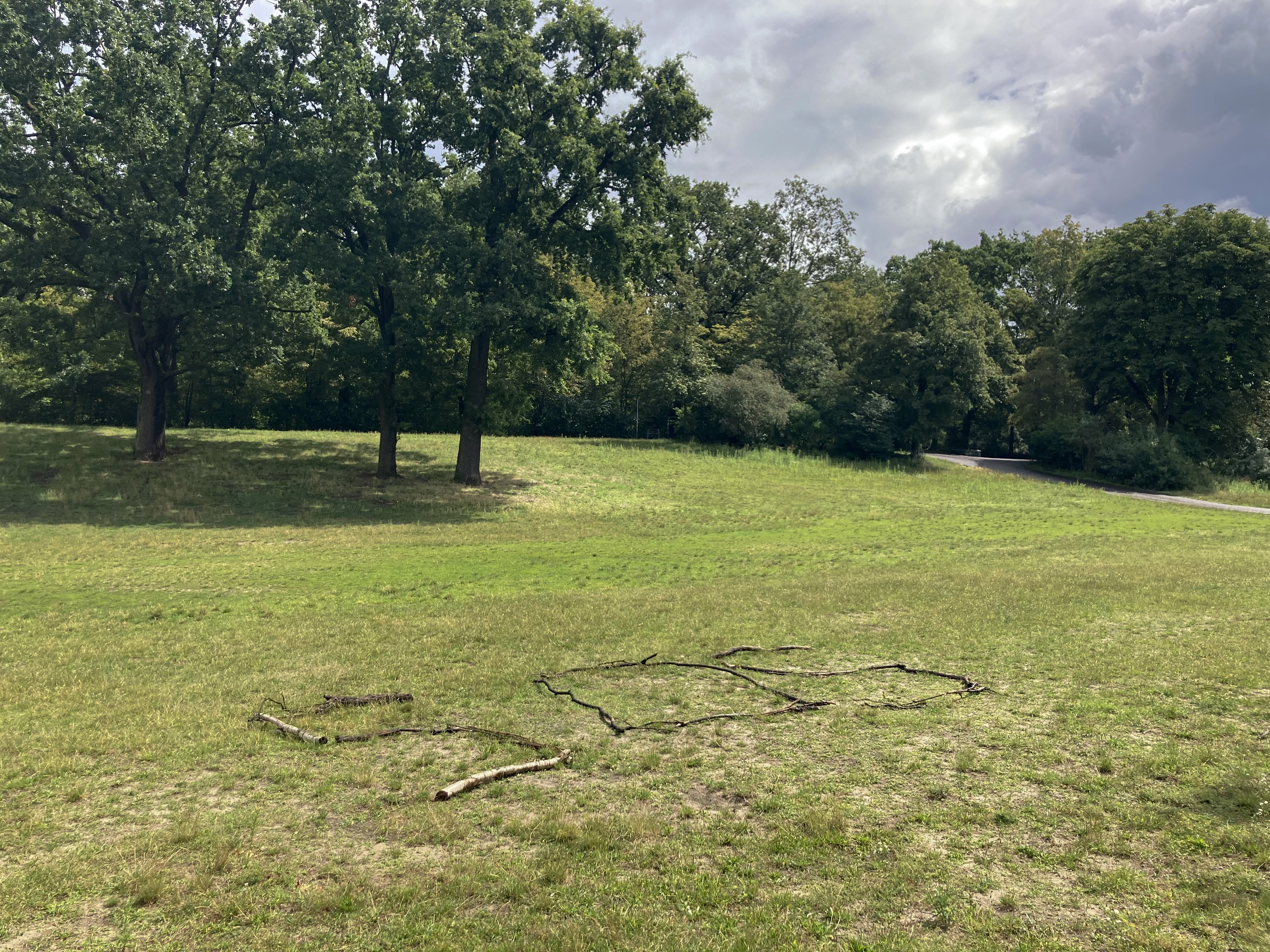 Intervention for the project Last Friday by Ignacio Pérez Jofre
Last Friday is a project of actions and interventions in public spaces carried out by artists and collectives, which take place on the last Friday of every month and focus on ecological issues and the problems of climate change.
(Under)growth
Soil on soil
Variable measures
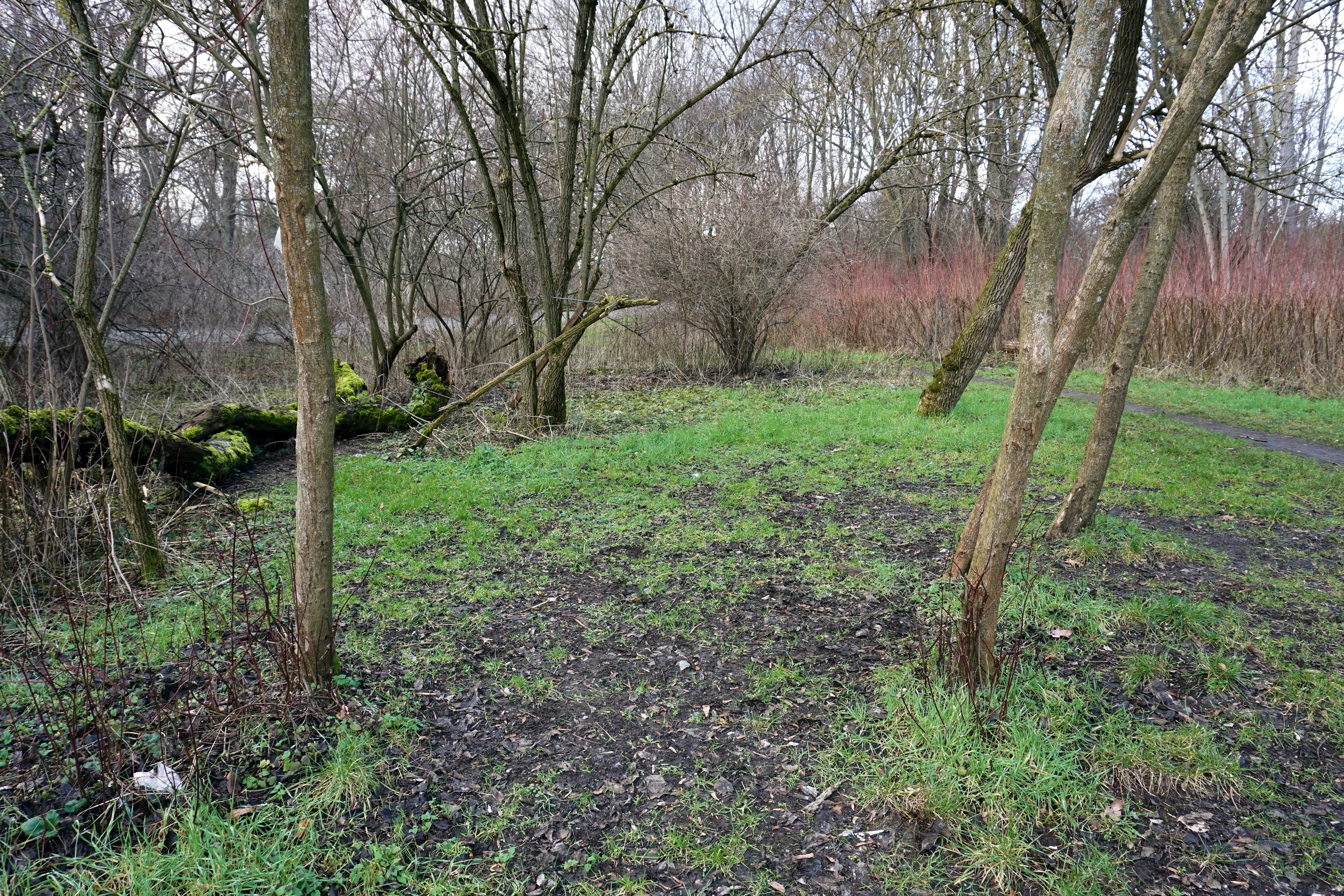
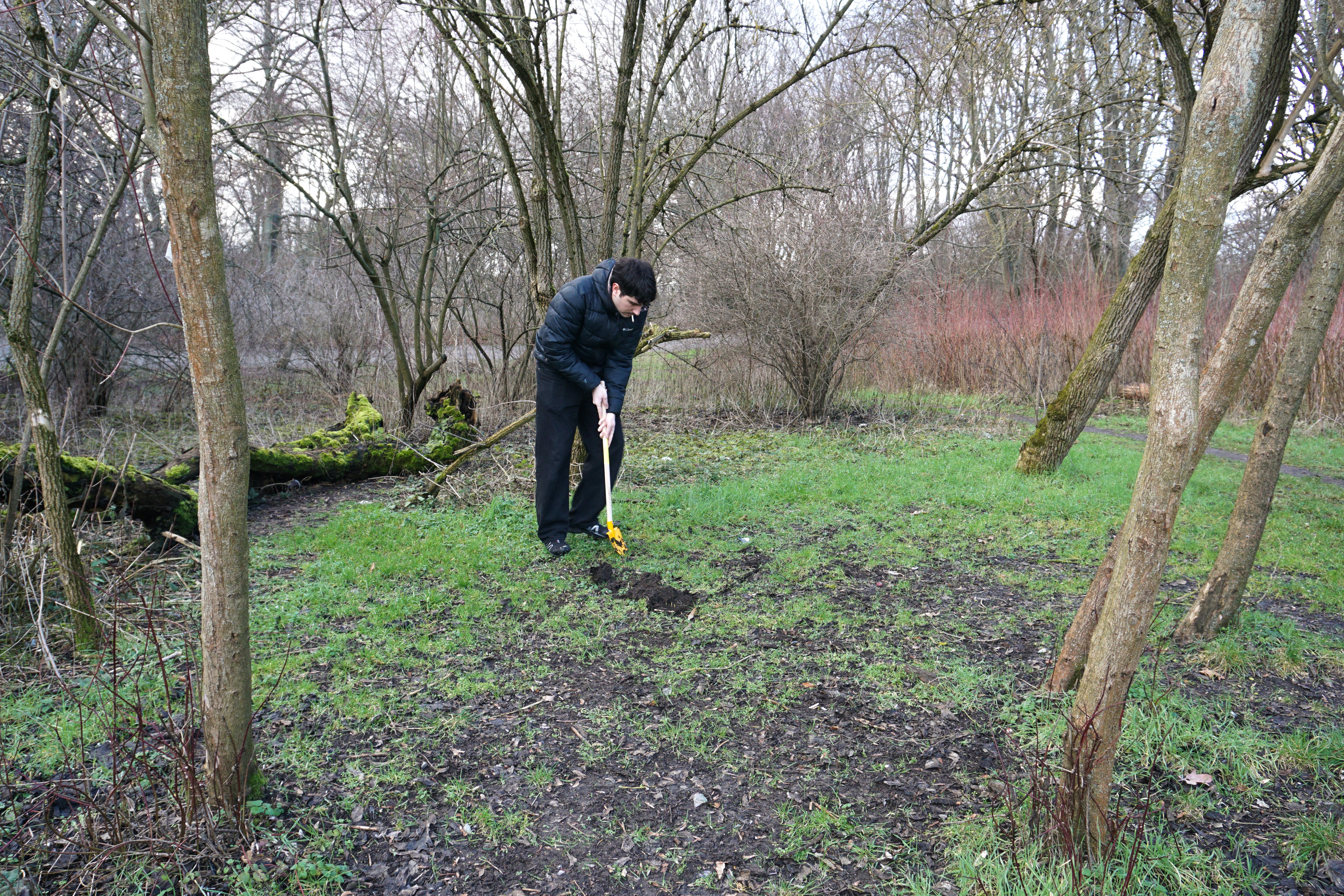
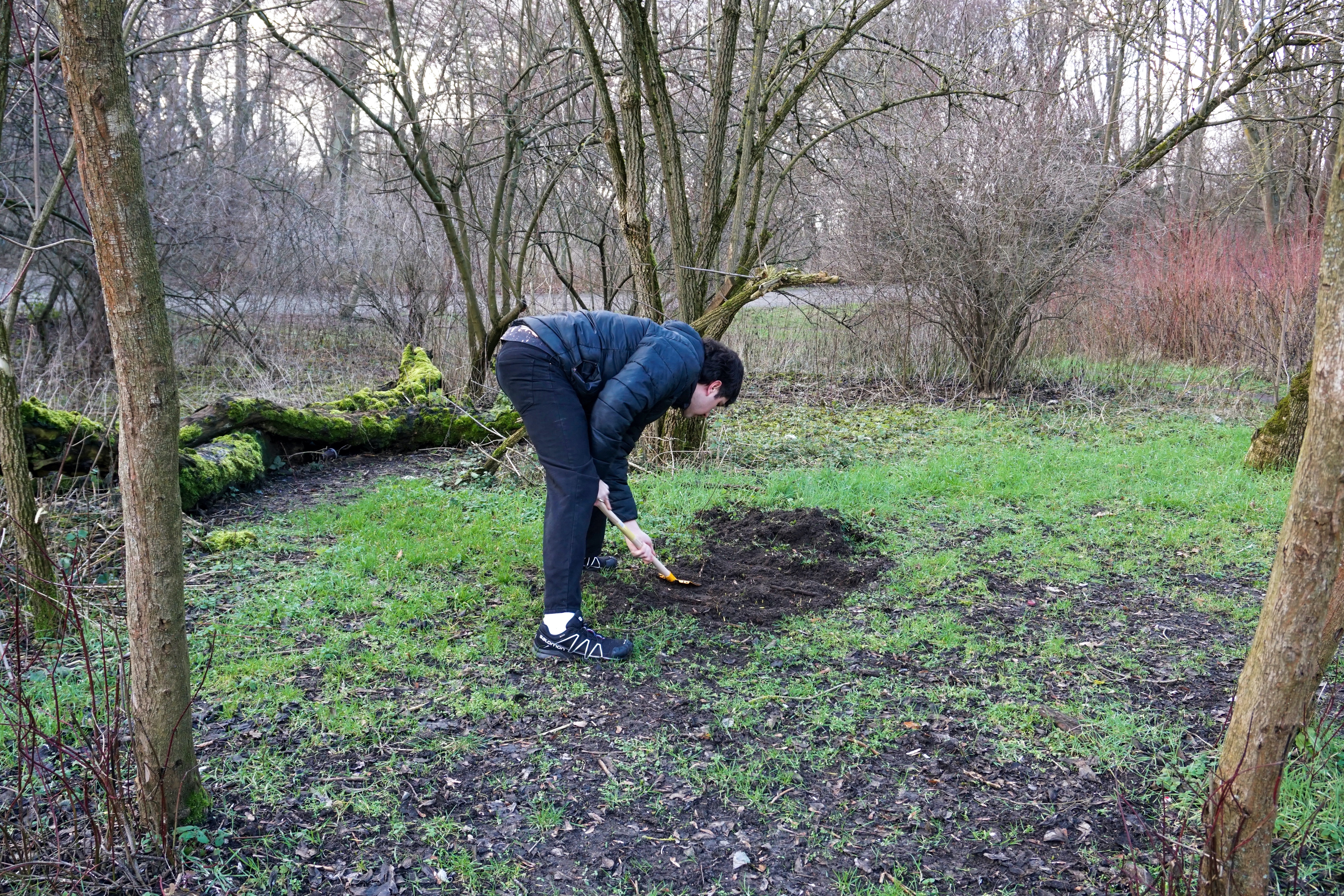
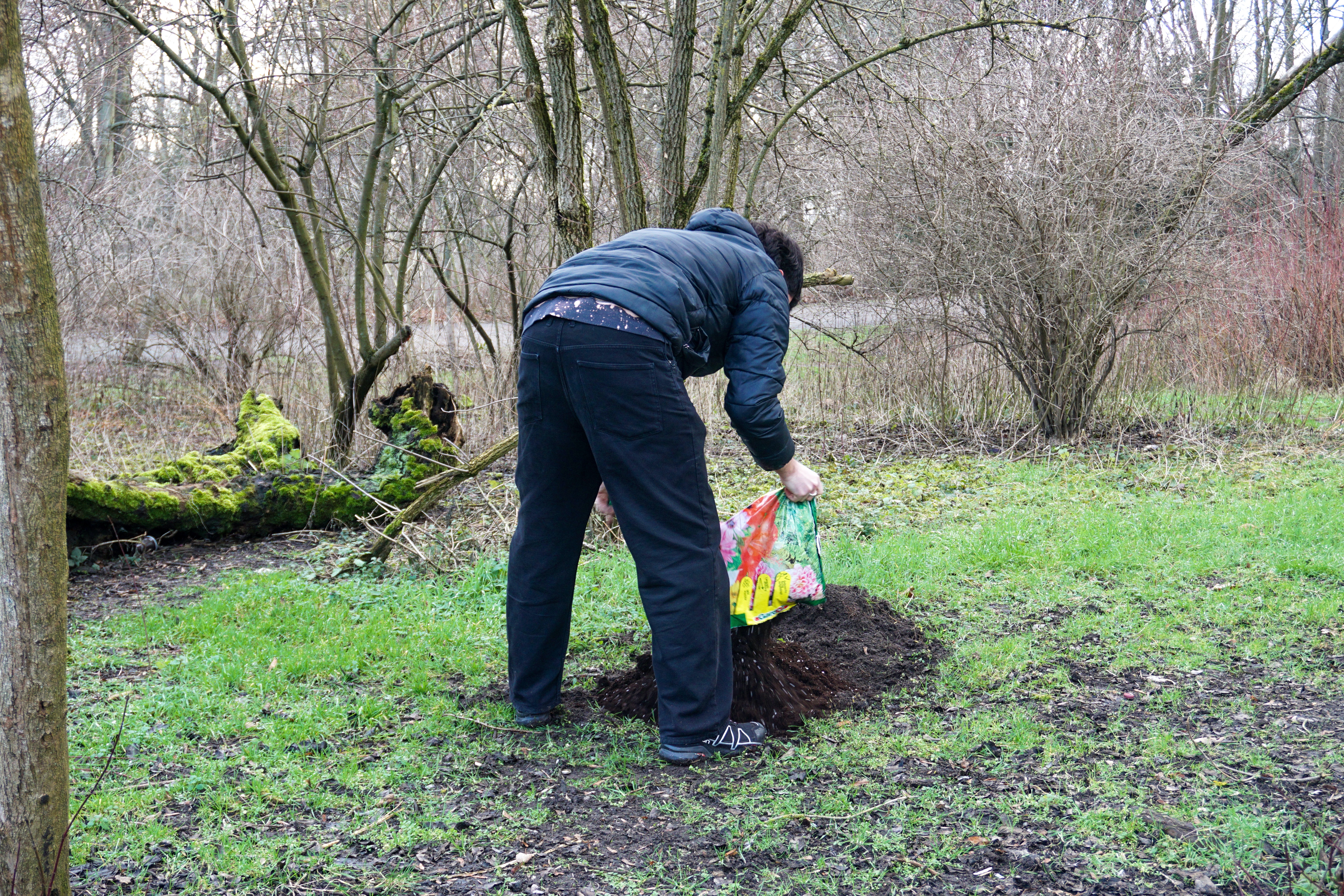
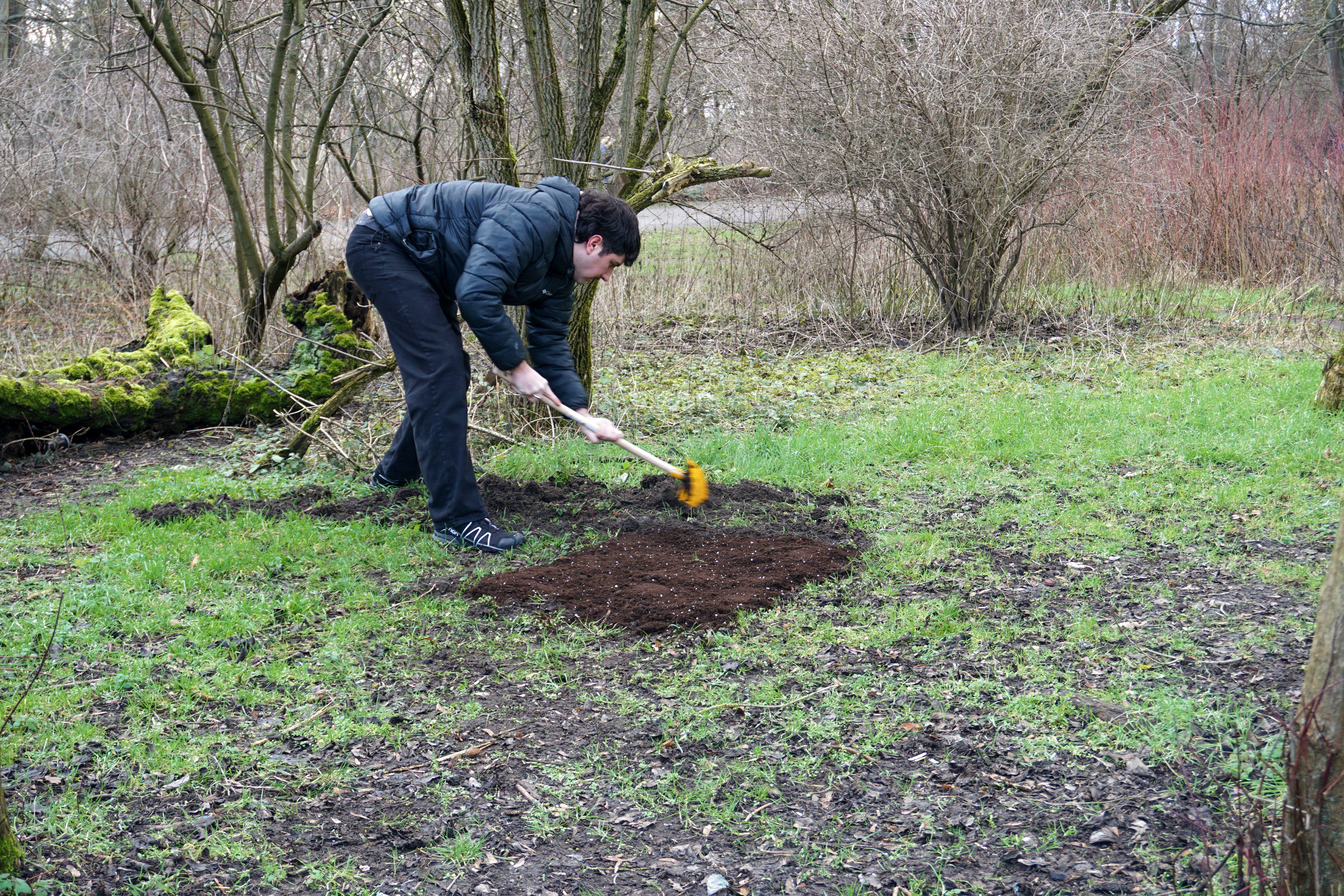
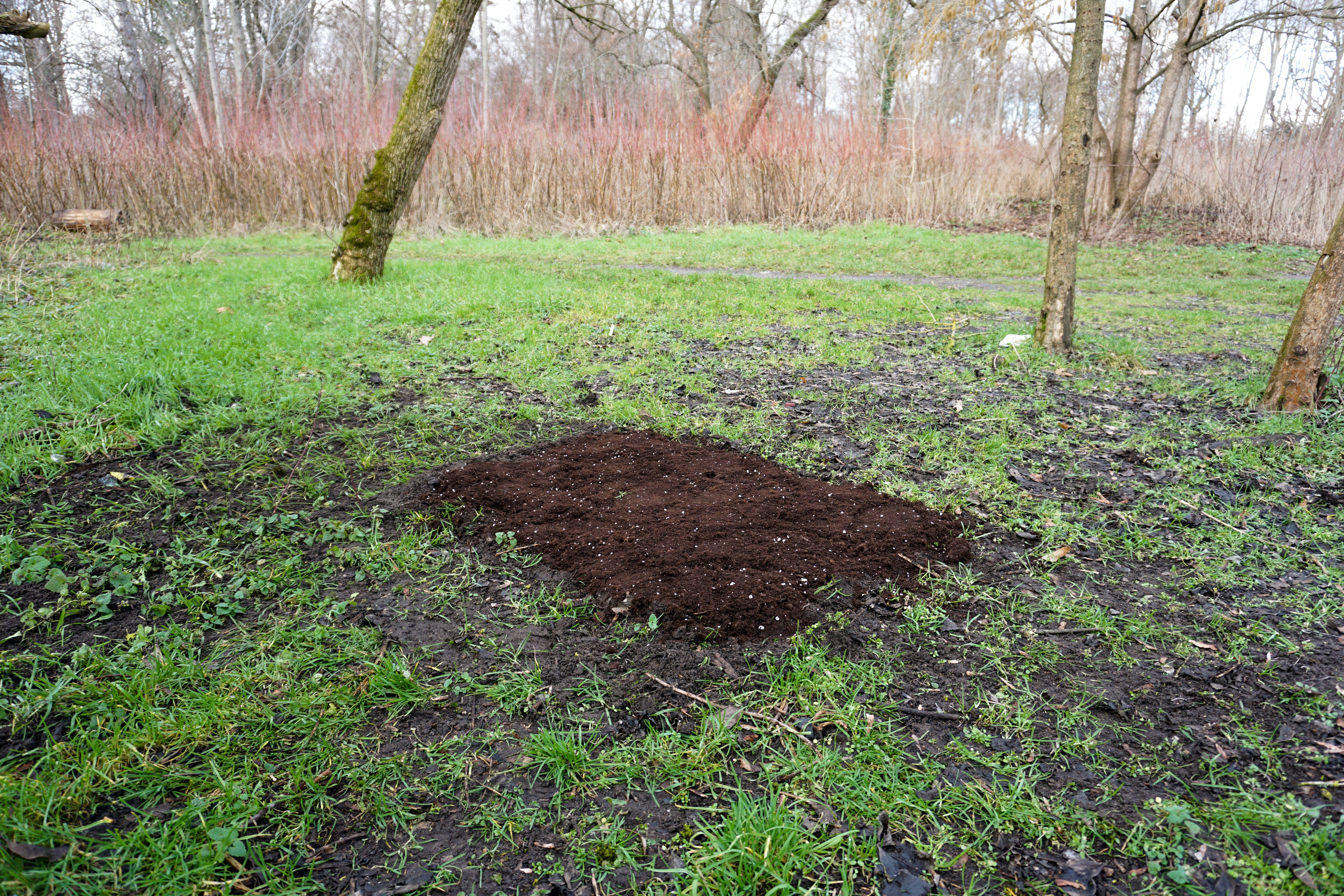
As Europe has developed and its cities have grown, there has been a distancing between humans and nature. Parks emerged as a solution to this, seeking to connect city dwellers with nature again. But like all spaces within our cities, parks are subject to regulations and controls, making the flora that thrives in them strictly controlled. In this way the intervention seeks to "renovate" a small square of lawn by creating a hole filled with fertile soil, allowing different plants or species to develop in that place, thus retaking the public space.
Take a sit
Installation
Chess board, 23 pawns, 2 rooks, 2 knights, 2 Bishops, 1 Queen, 2 kings, timer, chairs and table
Variable measure
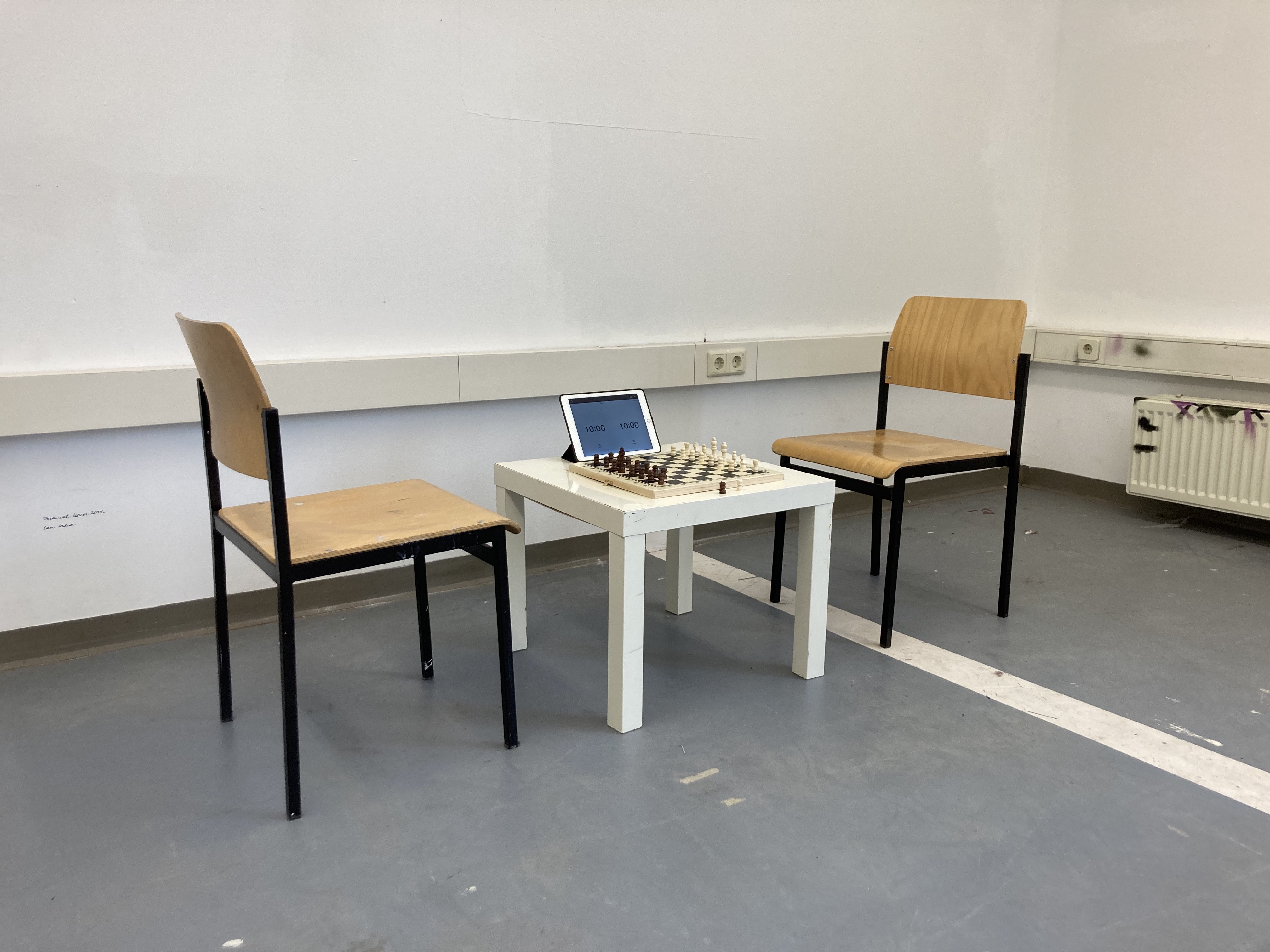
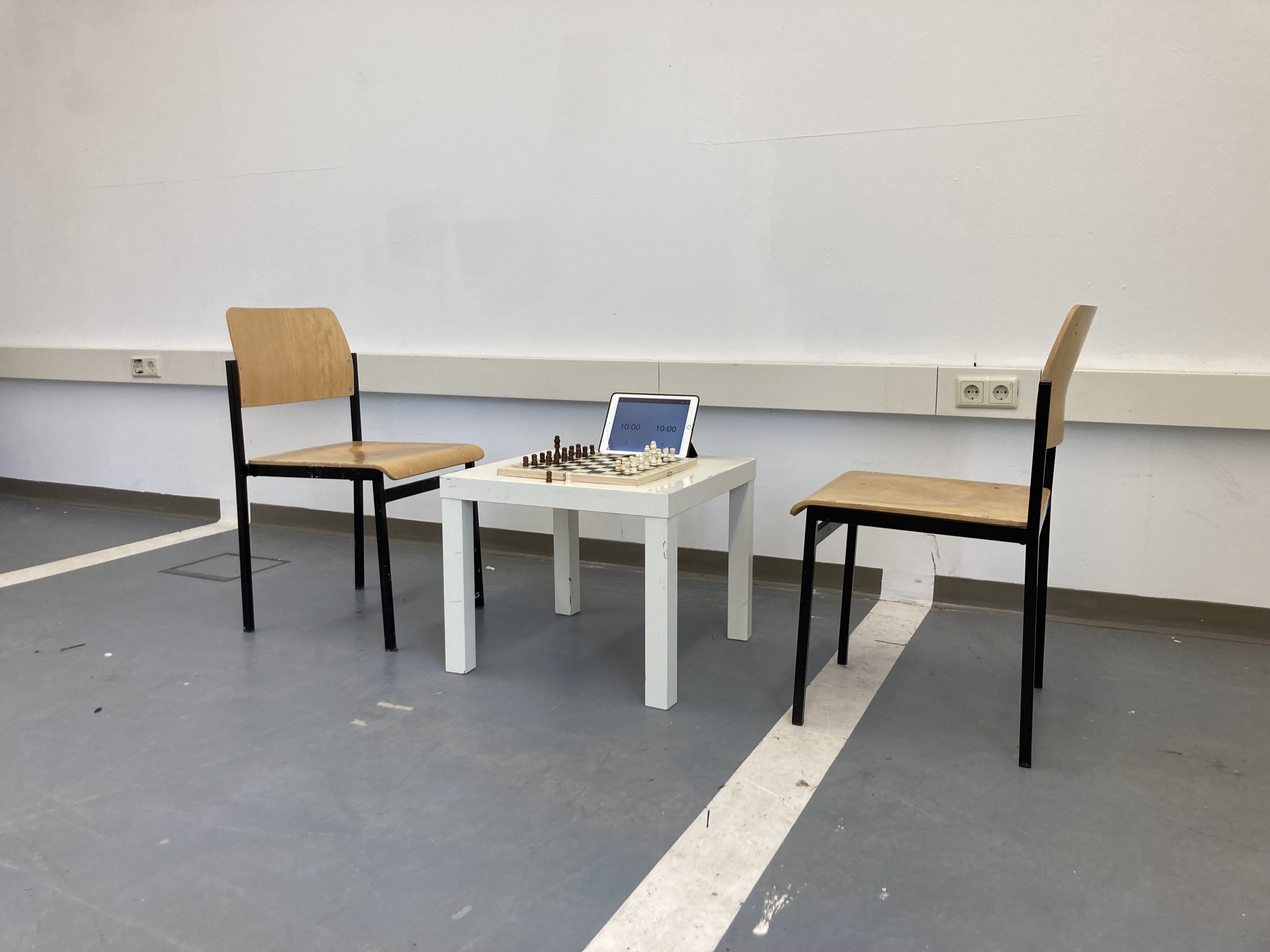
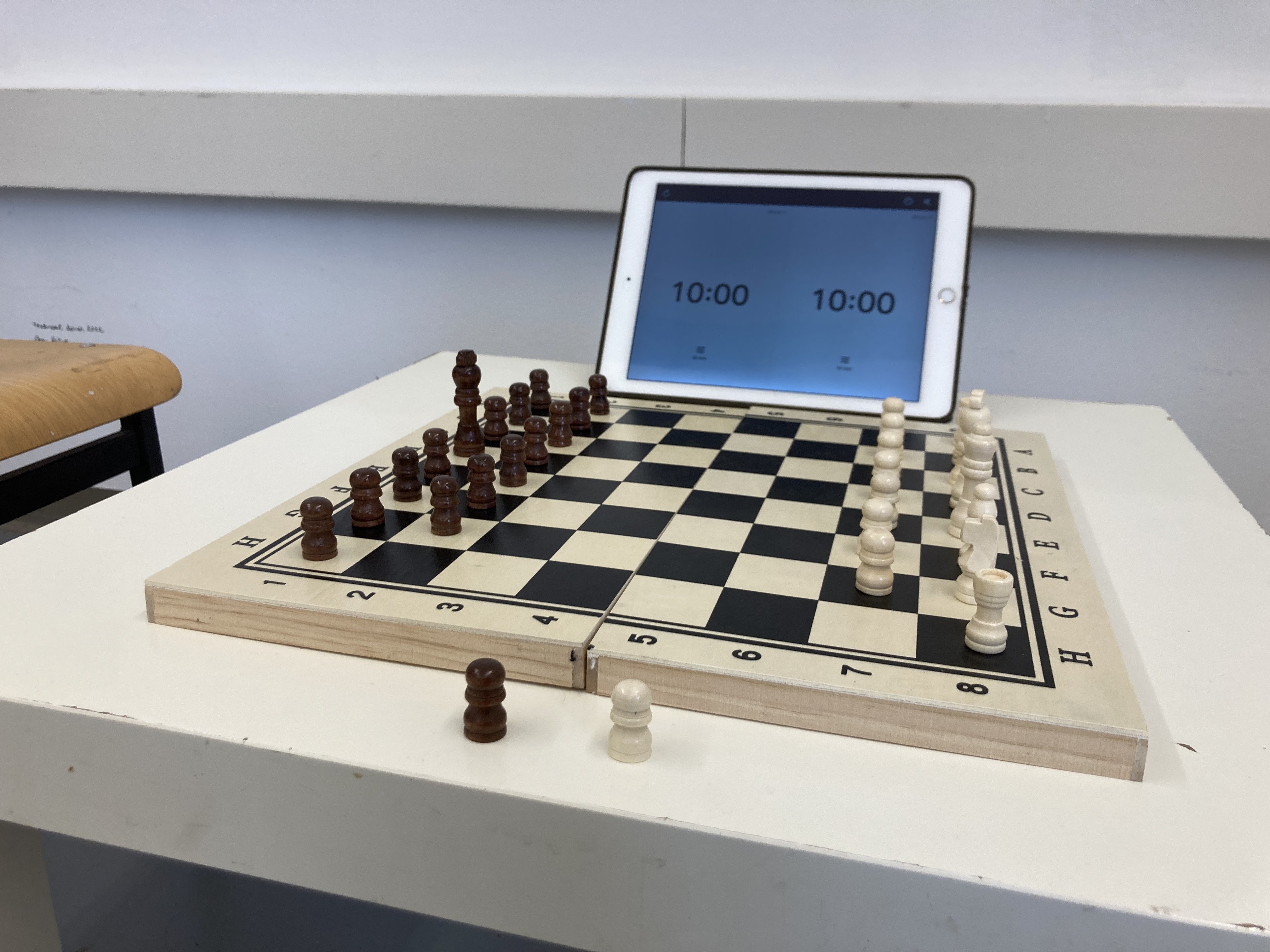
The installation explores the use of different tools and their potential to raise awareness of social issues, dealing with the power structures that exist in our society. In this context, the audience is invited to play the chess game presented in the installation. The game follows the same rules as the classic chess, but with one big difference: one player is allowed to
play only with a king and the pawns, while the other player has access to all the pieces. This change underscores the unequal distribution of power and the challenges faced by those who are at a disadvantage. The side of each player will be determined randomly, highlighting the realities of life where individuals do not choose the circumstances or the situations they find themselves in. People do not choose their positions of power or the tools they have at their disposal, and some grow up in better situations with more opportunities for success, while others do not.